Bridging Banking Options and Gaming Platforms: Insights into Transaction Efficiency for Licensed Operators
Felix Fischer · Nov 4, 2026
Bridging Banking Options and Gaming Platforms: Insights into Transaction Efficiency for Licensed Operators
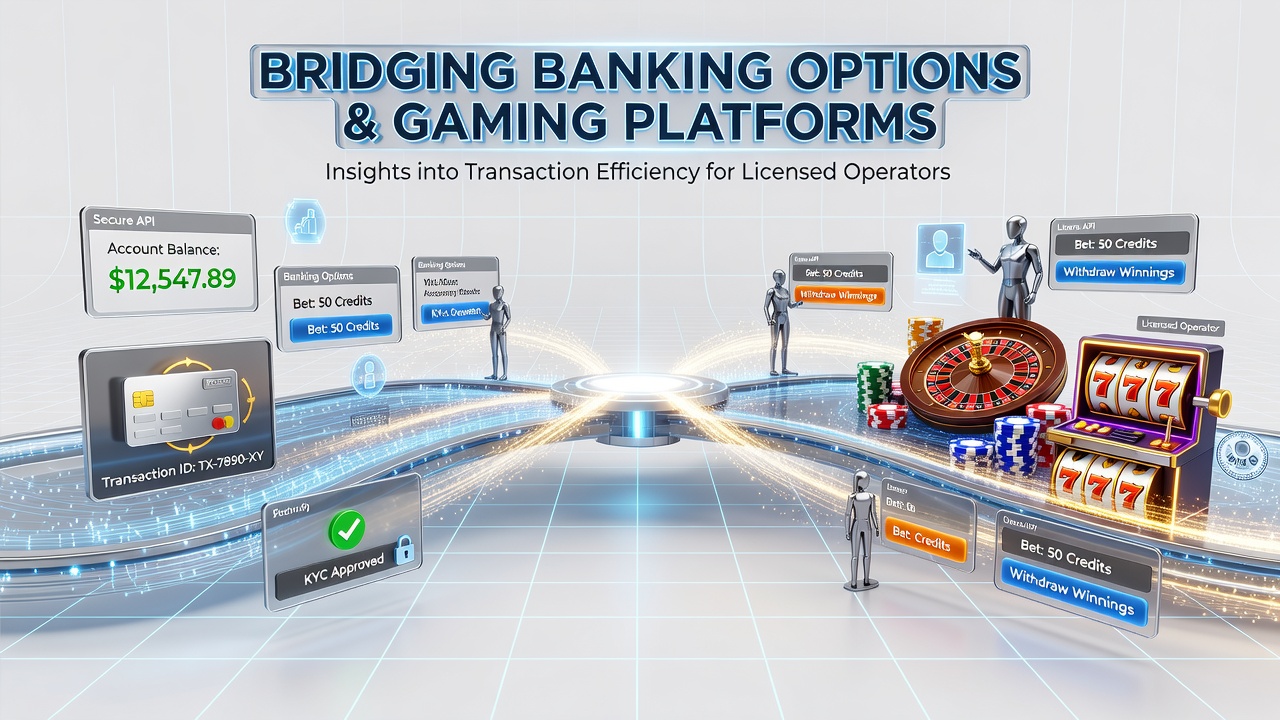
Operators in regulated markets continue to refine connections between traditional banking channels and digital gaming interfaces, and those adjustments produce measurable gains in processing speed along with compliance tracking. Licensed entities track these developments closely because transaction times directly influence player retention rates and regulatory reporting requirements. Data compiled through industry monitoring groups shows that platforms adopting multi-channel payment bridges reduced average deposit-to-play intervals by measurable margins during the first three quarters of 2026.
Current Integration Patterns Across Licensed Markets
Banking options now span local bank transfers, instant e-wallet services, and emerging account-to-account rails, each linked through APIs that feed directly into operator back-end systems. Observers note that operators in North America and parts of Europe favor open banking protocols because those systems supply real-time verification while satisfying know-your-customer mandates. In contrast, markets in the Asia-Pacific region often combine card-based rails with mobile money providers to accommodate regional banking habits, and this mix produces similar efficiency outcomes when properly configured.
Research from the Interactive Gaming Council indicates that operators using unified payment gateways experienced fewer failed transactions during peak periods in November 2026 compared with those relying on single-channel setups. The same report highlights that automated reconciliation tools cut manual review hours by roughly 40 percent across sampled platforms, allowing compliance teams to focus on higher-risk cases rather than routine checks.
Security and Compliance Advantages of Unified Systems
Secure tokenization methods now sit at the center of these bridges, shielding card details and bank credentials while permitting seamless data flow between financial institutions and gaming servers. Licensed operators report that end-to-end encryption paired with real-time fraud scoring reduces chargeback rates, and those reductions translate into lower operational costs. Government agencies in multiple jurisdictions require detailed audit trails, and integrated platforms generate those logs automatically, satisfying reporting standards without additional manual compilation.
One study released by researchers at the University of Nevada Reno examined transaction datasets from several state-licensed operators and found that platforms employing instant verification layers completed over 92 percent of deposits within eight seconds during the measured period. The findings also noted that withdrawal processing times dropped when operators connected directly to participating banks through standardized APIs rather than routing requests through multiple intermediaries.
Regional Examples of Efficiency Gains
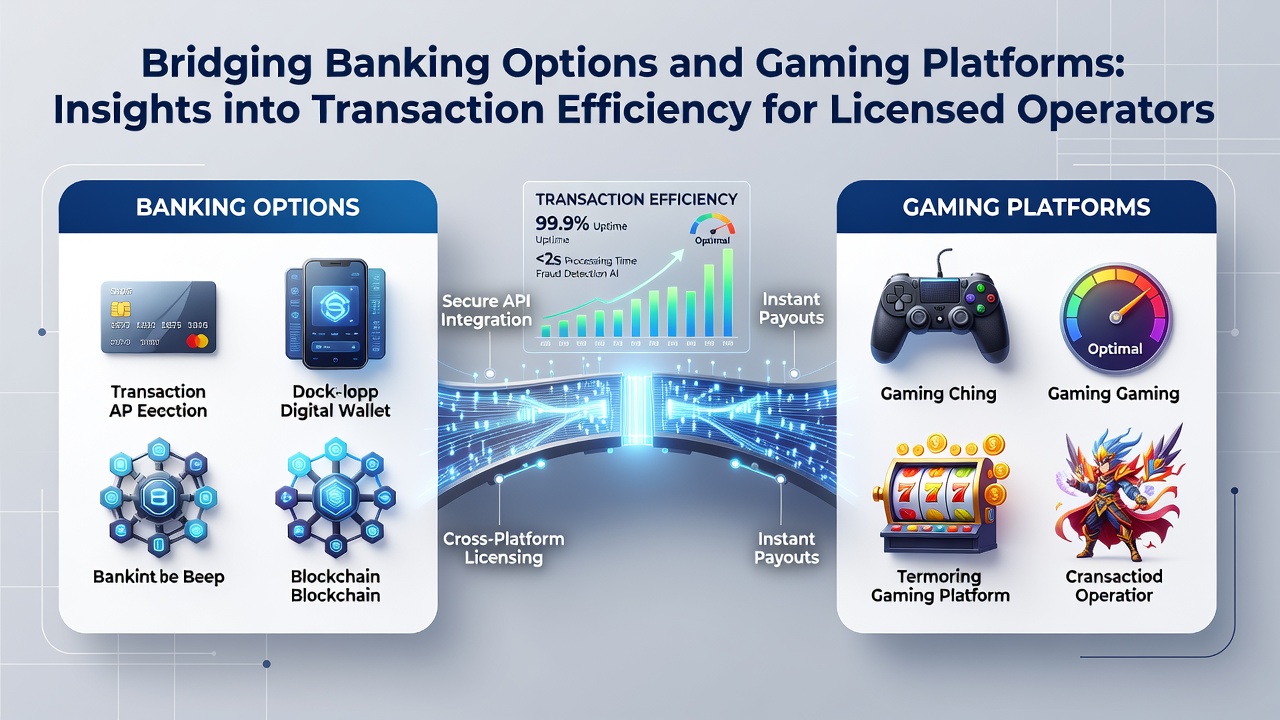
Operators in New Zealand have incorporated local payment schemes that allow instant deposits from major banks, and those connections have produced higher completion rates during evening peak hours. Similar patterns appear in Australian markets where operators link to the New Payments Platform, cutting settlement windows from days to minutes for approved users. Canadian provincial regulators have encouraged similar direct linkages, and early adoption data shows parallel improvements in both speed and record accuracy.
What's interesting here is how smaller operators achieve comparable results by partnering with established payment processors that already maintain connections to multiple banks. These partnerships reduce the technical burden while preserving full audit capabilities demanded by licensing authorities. Figures released in late 2026 from various regulatory bodies reveal that platforms using such hybrid models maintained uptime above 99.5 percent even during high-volume promotional periods.
Technical Considerations for Future Scaling
Scalability remains a central concern as transaction volumes rise, and operators address this by deploying cloud-based orchestration layers that distribute traffic across multiple banking endpoints. These layers monitor latency and automatically reroute requests when one channel shows signs of congestion. Industry reports compiled by the European Gaming and Betting Association document that such dynamic routing contributed to consistent performance metrics across tested sites throughout 2026.
Additional layers of machine learning assist in predicting peak demand windows, allowing operators to pre-authorize transaction capacity with partner banks ahead of major events or marketing campaigns. This proactive approach avoids bottlenecks that previously occurred during unplanned surges, and it supports the steady expansion of live dealer and multiplayer offerings that rely on uninterrupted funding flows.
Conclusion
Licensed operators continue to refine the technical connections between banking infrastructure and gaming environments, and these refinements deliver measurable improvements in transaction speed, security posture, and regulatory compliance. Evidence gathered across multiple regions demonstrates that unified payment bridges support both operational efficiency and player experience when implemented according to established standards. As volumes grow into 2027, the same patterns of integration are expected to guide further platform developments.