Diverse Payment Solutions Enhancing Live Dealer Experiences for Licensed Kiwi Players
Finley Schmitz · Nov 18, 2026
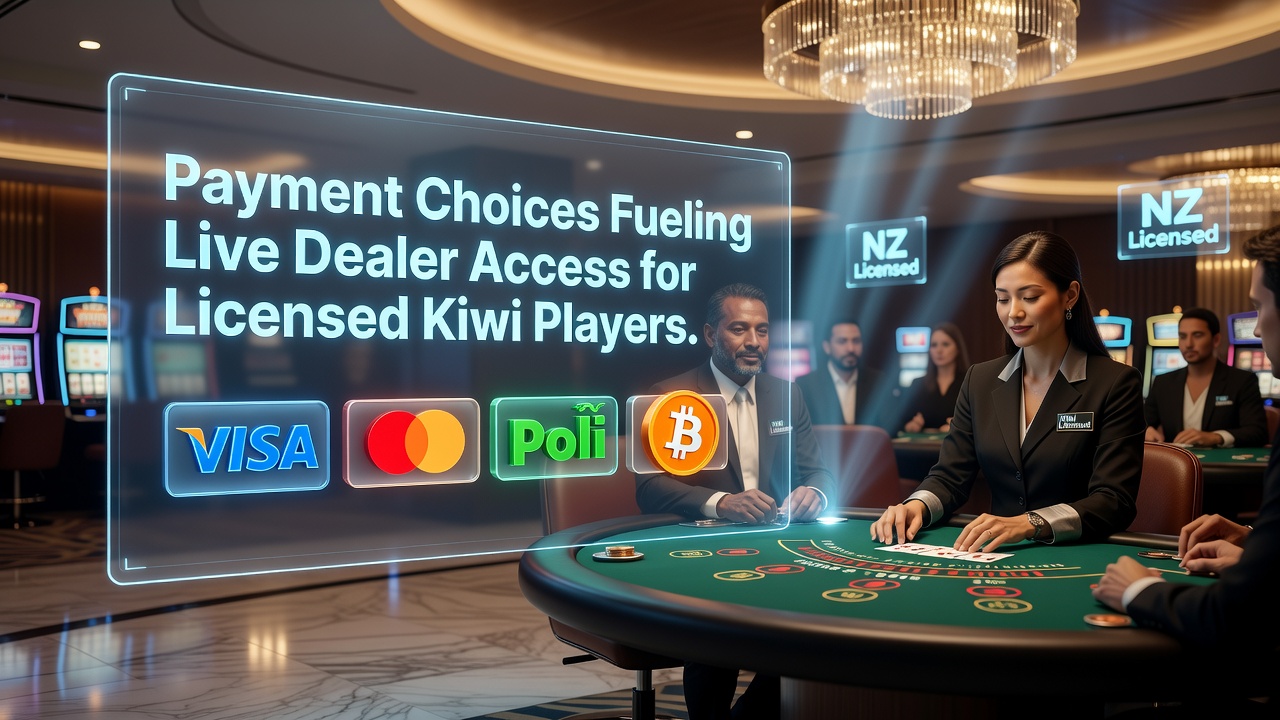
Diverse Payment Solutions Enhancing Live Dealer Experiences for Licensed Kiwi Players
Payment methods have become central to how licensed operators deliver live dealer games to players across New Zealand, with options ranging from traditional bank transfers to modern digital wallets that support instant deposits and withdrawals. Data from regulatory filings shows these choices directly influence participation rates in blackjack, roulette, and baccarat streams broadcast from local studios. Observers note that seamless transactions reduce friction for users who prefer real-time interaction with dealers over automated table games.
Bank transfers remain a staple for larger amounts, while e-wallets handle smaller, frequent plays that keep sessions moving without delays. Credit card processing through secure gateways also factors in, though transaction times vary by provider and compliance checks. Those who've tracked industry patterns find that availability of multiple methods correlates with higher engagement in live formats during peak evening hours.
Current Payment Landscape for Regulated Operators
Licensed platforms in New Zealand integrate several payment rails to meet player preferences while adhering to oversight requirements set by the Department of Internal Affairs. Electronic funds transfers through major banks process within one to three business days, whereas instant options like certain mobile wallets complete in seconds. Research indicates this mix allows operators to serve both casual participants and those placing higher stakes at live tables.
Pay-by-phone services have gained traction as well, letting users fund accounts directly from mobile balances without exposing card details. Data shows these methods appeal particularly to younger demographics who already rely on digital banking apps for daily transactions. What's notable is how these choices reduce abandonment rates during the deposit phase, keeping players connected to live streams longer.
Live Dealer Integration and Transaction Speed
Live dealer environments demand reliable funding mechanisms because sessions unfold in real time, and interruptions from pending payments can break immersion. Operators have responded by prioritizing methods that confirm deposits immediately, enabling players to join tables without waiting. Figures from sector reports reveal that platforms offering at least four distinct payment categories see stronger retention in live dealer categories compared to those limited to fewer options.
Withdrawals follow similar patterns, with faster processing times tied to specific wallet providers that complete verification upfront. One study revealed that users who select instant payout methods tend to return more frequently for subsequent live sessions. And because regulatory standards require clear timelines for all transactions, operators publish these details upfront to maintain compliance.
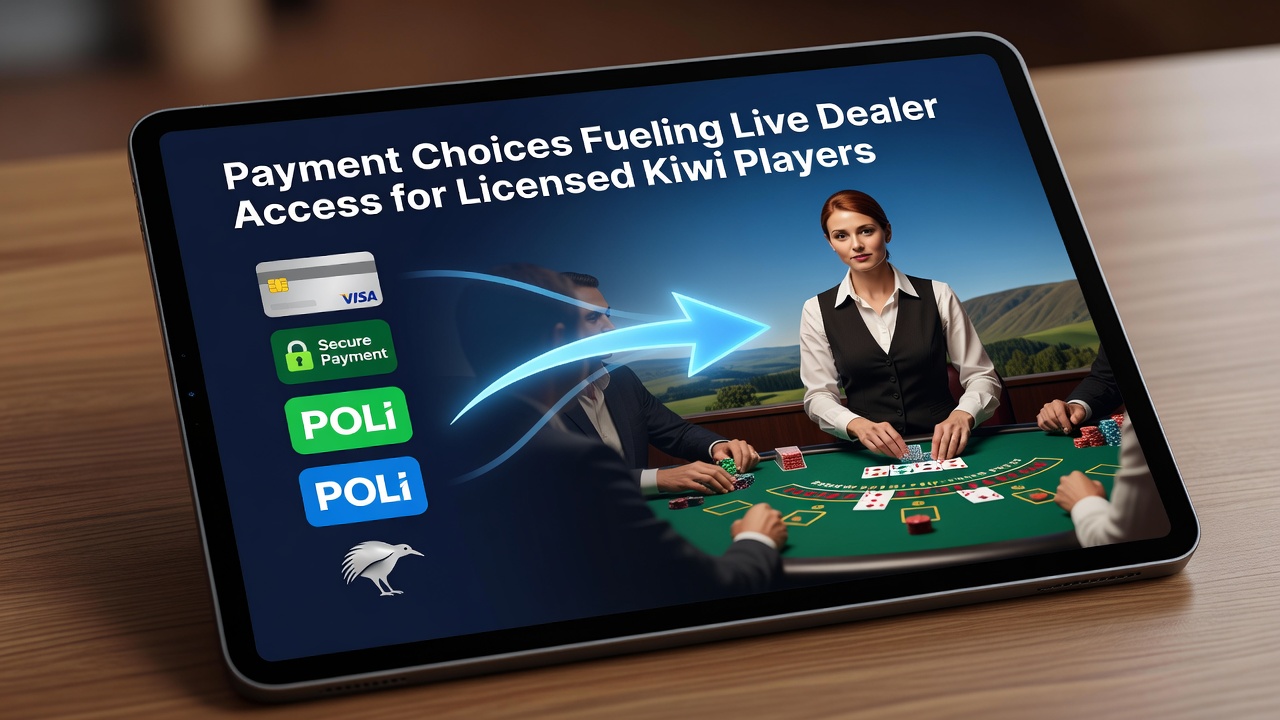
Regulatory Context and Oversight in November 2026
By November 2026, updates to transaction monitoring protocols had taken effect across licensed sites, emphasizing transparency in how payments connect to live dealer activity. These rules require operators to verify sources of funds for larger transfers while still supporting convenient options for standard play. According to information from the Department of Internal Affairs, such measures aim to balance player access with responsible gambling safeguards.
Industry associations have documented how payment diversity supports broader participation without compromising security standards. Players often discover that combining methods, such as using a wallet for entry-level bets and a bank transfer for bigger wins, aligns with personal banking habits. This flexibility proves especially useful during periods of increased live dealer traffic around holidays and major sporting events.
Examples of Payment-Driven Access Patterns
Take one operator who expanded wallet support in early 2026 and recorded a measurable uptick in live dealer table occupancy within weeks. Similar cases show that regions with strong mobile payment adoption experience smoother integration of new live streams. Researchers discovered that when transaction fees stay low or absent, participation in extended sessions increases accordingly.
Another instance involves platforms that introduced pay-by-phone alongside existing cards and transfers, resulting in broader demographic reach. Data indicates these additions help bridge gaps for users who avoid traditional banking apps. Observers note the pattern holds steady across multiple licensed sites operating under the same framework.
Conclusion
Payment choices continue to shape access to live dealer offerings for licensed players in New Zealand by determining how quickly and reliably funds move between accounts and tables. Multiple methods working in tandem support varied playing styles while meeting regulatory expectations around security and reporting. As options evolve, the connection between transaction efficiency and live game participation remains a consistent factor in sector activity.